
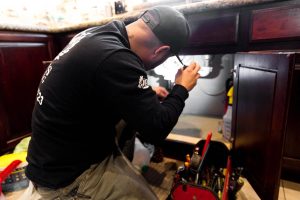
In a time when water conservation is more important than ever, homeowners in Morgan Hill are looking for innovative ways to make their plumbing systems both eco-friendly and economical. With rising utility bills and increasing awareness of environmental sustainability, it’s crucial to explore options that not only save water but also reduce overall energy consumption. Thankfully, making your home greener doesn’t have to be overwhelming; there are simple yet effective changes you can implement. In this article, we’ll dive into practical plumbing solutions that can help you cut costs while being kind to our planet. Let’s embark on this journey toward a more sustainable and responsible way of living at home!
Eco-friendly plumbing solutions for homes in Morgan Hill include the installation of tankless water heaters, which provide hot water on demand while reducing energy consumption, and whole-house re-piping using modern materials like PEX to enhance efficiency and longevity. Additionally, employing low-flow faucets and fixtures can significantly minimize water waste, contributing to both environmental sustainability and lower utility bills.
Eco-Friendly Plumbing Fixtures
One of the most significant changes you can make in your bathroom is swapping out traditional plumbing fixtures for eco-friendly options. For instance, consider High-Efficiency Toilets (HET), which consume substantially less water than conventional models. The government standard is 1.6 gallons per flush, yet many HETs reduce this figure by 20% or more. Brands like TOTO and Kohler offer models capable of flushing with as little as 1.28 gallons per use.
The Environmental Protection Agency (EPA) states that upgrading to HETs can save a family of four about 16,000 gallons of water each year, which is no small feat when you think about the cumulative effect of thousands of homes making similar changes.
Low-Flow Showerheads
Another common upgrade is the installation of low-flow showerheads, which use between 1.5 and 2.0 gallons of water per minute compared to the standard 2.5 gallons. By replacing your existing showerhead with a low-flow model, you can reduce your overall water consumption by up to 40%. This can result in substantial savings on your water bill over time, too.
It’s noteworthy that even with lower flow rates, many modern low-flow showerheads—especially those labeled with WaterSense certification—are designed to maintain robust water pressure, ensuring you don’t sacrifice comfort for conservation.
Transitioning to these eco-friendly fixtures not only conserves water but also contributes positively to your overall home sustainability efforts.
Then there are faucets, where installing low-flow variants can significantly decrease water usage without sacrificing performance. These faucets restrict flow while maintaining good pressure, making them a practical choice for kitchen and bathroom renovations alike. Choosing fixtures made from durable materials and sustainable sources can enhance the longevity and aesthetic appeal of your space.
In fact, investing in these eco-friendly solutions promotes responsible resource management while providing long-term benefits by reducing utility costs—all without compromising on quality or style.
Additional Benefits
Plus, let’s not forget about the environmental benefits. Each leaky faucet or slow-running toilet contributes to wasted resources. By switching to modern alternatives, you’re playing a role in conservation efforts. Not only will you help reduce greenhouse gas emissions associated with energy production for treating and distributing water, but you’ll also encourage fellow community members to reflect on their own habits and potentially follow suit.
Every small change adds up to make a big difference—not just for your home but for the entire Morgan Hill community as well, paving the way for effective strategies that prioritize responsible use of resources and sustainable practices.
Water Conservation Techniques
One of the most impactful steps in conserving water is to actively address and fix leaks around your home. A faucet dripping at just one drop per second may seem trivial, yet over time, this small annoyance can waste more than 3,000 gallons of water annually. This significant amount not only adds up on your water bill but also contributes to wasted resources. By being proactive in fixing any leaks around your sinks, tubs, and toilets, you are taking an essential step towards better water management.
Another easy habit to adopt is to turn off your taps whenever they aren’t needed.
For instance, when you’re brushing your teeth or shaving, simply turning off the tap can conserve quotable amounts of water throughout the week. Just imagine if everyone made it a point to turn off their tap while brushing—how much water would we save collectively? It’s all in small adjustments! Keeping a visual reminder—a sticky note on the bathroom mirror—could encourage family members to remember this simple habit.
But conservation opportunities don’t end with personal habits; there are practical ways to maximize every droplet of water.
Another fantastic technique involves collecting cold water while waiting for hot water to flow through the pipes. Instead of letting it run down the drain, you can catch it in a bucket and use it for watering plants or cleaning tasks around your home. This practice minimizes waste and supports sustainability by utilizing resources already available within your home.
While daily habits are effective, there are structural strategies too.
Insulating your pipes enhances efficiency in delivering hot water. When you insulate the pipes running to your tap, it prevents heat loss, meaning warm water reaches you faster. Not only does this save water, as you’re not left running the tap for extended periods waiting for heat, but it also conserves energy by reducing the strain on your water heater.
All these techniques together create a comprehensive approach to conserving water where every small act counts.
Adopting eco-friendly plumbing practices should be part of an overall lifestyle commitment to sustainability. The key lies not just in changing how you handle fixtures but also in how you interact with them daily. Small changes lead to big impacts; by fostering awareness and developing mindful routines, you contribute significantly toward creating a more sustainable environment right at home in Morgan Hill.
As we explore further innovations in green practices, it’s worth examining the cutting-edge technologies that promise even greater efficiencies and benefits for homeowners.
Latest Green Plumbing Technologies
Smart irrigation systems represent a significant leap in how we approach water conservation within our homes. These systems go beyond traditional timer-based watering, adjusting schedules in real-time based on factors such as recent rainfall, temperature fluctuations, and even soil moisture levels. This precision helps ensure that your garden receives just the right amount of water without the waste often seen in conventional methods.
Think about it: when you can optimize the daily needs of your plants by using real-time data, you’re not only saving water but also making sure your garden remains lush and healthy.
According to the EPA, households using smart irrigation technologies can save approximately 7,600 gallons of water each year. This is like leaving your dishwasher running for a full month straight! Such substantial savings prove that small changes in technology bring big results.
Another exciting avenue in eco-friendly plumbing is the adaptation of greywater systems.
Greywater Systems
Greywater systems are innovative technologies designed to capture wastewater from sinks, showers, and laundry appliances—essentially the ‘used’ water that’s not classified as sewage. Instead of letting this water flow into the sewer system, these systems recycle it for non-potable uses like landscape irrigation. Imagine the potential; with a properly installed greywater system, a typical family could conserve up to 40,000 gallons of water annually!
This innovation reduces the demand on municipal water supplies and can significantly lower monthly utility bills. Implementing greywater systems reflects both environmental stewardship and economic wisdom. You’re effectively reducing waste while nurturing your garden with nutrient-rich water.
While managing current resources is crucial, there are also more passive methods homeowners can adopt to harness natural resources effectively.
Roof Water Harvesting
Roof water harvesting involves capturing rainwater off your roof and storing it for later use. Simple collection barrels or more elaborate rainwater harvesting systems can be utilized to gather and filter rain before it’s stored in tanks for various purposes like lawn watering or flushing toilets. This system could save homeowners thousands of gallons of precious water every year.
Moreover, installing permeable pavements allows rainwater to seep into the ground rather than run off into storm drains. This technique supports natural water cycles and minimizes flooding risks.
Integrating these cutting-edge plumbing technologies conserves water while enhancing sustainability at home. Through smart choices, you contribute positively to both your household budget and your local environment.
As we explore further innovations, another method for utilizing nature’s bounty comes into focus—ways to capture and store rainwater effectively.
Implementing Rainwater Collection
At its core, rainwater collection is a simple yet powerful strategy to harness nature’s resource. Think of your roof as a large funnel directing precious rainwater toward your garden instead of letting it wash away down the storm drain. This practice can significantly lessen your dependency on municipal water sources while providing an eco-friendly solution for various household needs.
Step I – Setting Up a System
The first step in setting up your rainwater collection system is finding the right location for your rain barrel. Position it underneath a downspout where most of your roof runoff will flow. The ideal barrel will have a capacity ranging from 50 to 200 gallons, depending on your typical rainfall and how much water you want to store. It’s worth investing in a quality barrel with a secure lid to keep mosquitoes and debris out.
As the rain falls, it will cascade off your roof and into the barrel, filling it with water that you can later use for watering plants, washing cars, or even flushing toilets when combined with a proper filtration system. Utilizing harvested rainwater for these tasks means you’re saving substantial amounts of treated municipal water—and that equates to savings on your water bill.
Imagine moving through the summer months without worrying about rising costs as you tend to your lush garden.
Step II – Ensuring Maintenance
Once your system is in place, regular maintenance becomes crucial to ensuring it operates efficiently. Begin by keeping gutters and filters clean to prevent clogs that could disrupt the flow of rainwater into your barrel. When leaves and debris gather, they can hinder the function of both your gutters and the collection system, leading to overflow or potential contamination of stored water.
Regular maintenance doesn’t just make the system work better; it prolongs its life too! Engaging professionals like Jake’s Plumbing can make this chore far less daunting, ensuring all installations are performed correctly while also providing ongoing maintenance support.
To further enhance efficiency, consider adding additional features like a diverter, which automatically directs excess water away from the barrel after it has filled, preventing overflow and foundation damage to your home. With ease of access, you’ll find maintaining these systems becomes second nature.
Incorporating such sustainable solutions into our everyday lives creates resilience against fluctuating utility rates while fostering an environmentally friendly mindset. This journey towards sustainability naturally leads us to explore options that offer affordability without compromising on environmental values.
Affordable Sustainable Solutions
Many homeowners tend to shy away from eco-friendly plumbing improvements, believing that they come with hefty price tags. In reality, the landscape of affordable sustainable plumbing offers numerous solutions that are wallet-friendly and effective.
For instance, consider the use of low-flow showerheads. These innovative fixtures provide a comfortable shower experience while significantly reducing water usage—sometimes by as much as 50%—compared to traditional models. The beauty of these fixtures lies in their simplicity; most models are priced affordably and can be installed without professional assistance in just minutes.
Imagine this: By swapping out an old showerhead for a low-flow model, a family could potentially save over 2,300 gallons of water annually, according to environmental studies. That translates not just into saving water but also lowering monthly utility bills. Moreover, such installations contribute positively to the overall health of our environment since every drop saved helps in conserving our precious natural resources.
Another great affordable solution comes from harnessing modern technology: consider smart irrigation systems for those with gardens or landscaped yards.
Smart irrigation controllers can adjust watering schedules based on local weather conditions, ensuring plants get exactly the right amount of water without waste. Such technology is often available at reasonable prices and may qualify for rebates in many areas due to its water-saving capabilities. As an added bonus, using these systems can dramatically cut down on your water bill.
Additionally, pipe insulation is another simple yet effective method for enhancing energy efficiency in plumbing systems. Especially during colder months, heat loss through pipes can lead to increased energy consumption. Insulating both hot and cold water pipes can save energy and lower heating costs significantly. This cost-effective modification also prolongs the life of the plumbing system by reducing temperature fluctuations that can lead to wear and tear.
Investing in these types of water-saving solutions fosters not only sustainability but also leads to long-term savings on utility bills. Being proactive and implementing these affordable options enhances comfort in your home while demonstrating a commitment to our shared environment.
With these practical insights into eco-friendly plumbing solutions laid out, it’s essential to turn our attention toward finding professionals who embody these green principles in their practices.
Choosing a Green Plumber in Morgan Hill
When it comes to hiring a plumber specializing in eco-friendly solutions, the first step is verifying their credentials and certifications. This not only reflects their knowledge about energy-efficient systems but also assures you that they are committed to providing solutions that benefit both your plumbing system and the environment.
Without these credentials, you might be taking a gamble on receiving quality service that meets your eco-friendly needs.
Additionally, make sure to explore customer reviews and testimonials about a prospective plumbing service. Hearing from previous clients provides invaluable insights into their experiences, professionalism, and effectiveness of services provided.
While positive reviews are critical, understanding how local expertise factors into your choice can greatly influence your decision.
It’s easier to trust a local expert who understands the specific plumbing challenges faced by homeowners in Morgan Hill, such as soil conditions or common municipal regulations. Local plumbers are more likely to recommend solutions tailored to your property based on their familiarity with the community’s infrastructure and prevalent environmental concerns.
By choosing a locally owned business like Jake’s Plumbing, you support your community while benefiting from personalized service that national chains often cannot offer.
This connection translates into better communication and accountability throughout the project, making it easier for you to express any concerns or preferences regarding eco-friendly options. Remember that experienced plumbers can often suggest alternatives you might never consider—like rainwater harvesting systems or tankless water heaters—that align with both your environmental goals and budget.
In seeking out eco-friendly plumbing solutions, consider what long-term vision you have for your home’s efficiency and comfort.
Opting for an experienced plumber ensures not just professional installation but also ongoing maintenance advice that helps sustain those eco-benefits for years to come. From anticipating potential issues related to water conservation to optimizing existing systems for greater efficiency, an expert can pave the way toward more sustainable living in your household.
Taking these steps enables you not only to save money but also to significantly reduce your environmental footprint—creating a win-win scenario for both your wallet and the planet.
If you’re ready to take the plunge into eco-friendly plumbing solutions for your Morgan Hill home, reach out to Jake’s Plumbing today at (408) 655-6723 for tailored advice and top-notch service!